Trusted by Europe's leading organizations






Technical assessments and architecture reviews to identify licensing inefficiencies and structural risks. DNA Solutions audits the systems we have built and maintained, so each engagement starts from your existing stack rather than a generic recommendation deck.
Trusted by Europe's leading organizations
DNA Solutions runs technology audits and architecture reviews for enterprises facing licensing costs, vendor lock-in, and aging infrastructure. Our team has built and maintained Oracle and SAP environments, billing engines, and cloud data platforms across European telecom and tolling operators, so each engagement starts from the existing stack and ends with a prioritized report rather than a generic deck.

DNA Solutions designs technology that lands on your bottom line. European enterprises trust us with extreme data volumes and critical financial pipelines.
See client resultsDNA Solutions built and maintains a Deloitte-audited billing platform processing €300M in audited transactions every month.
By optimizing software licensing fees for a major European organization, DNA Solutions delivered over €1M in yearly cost savings.
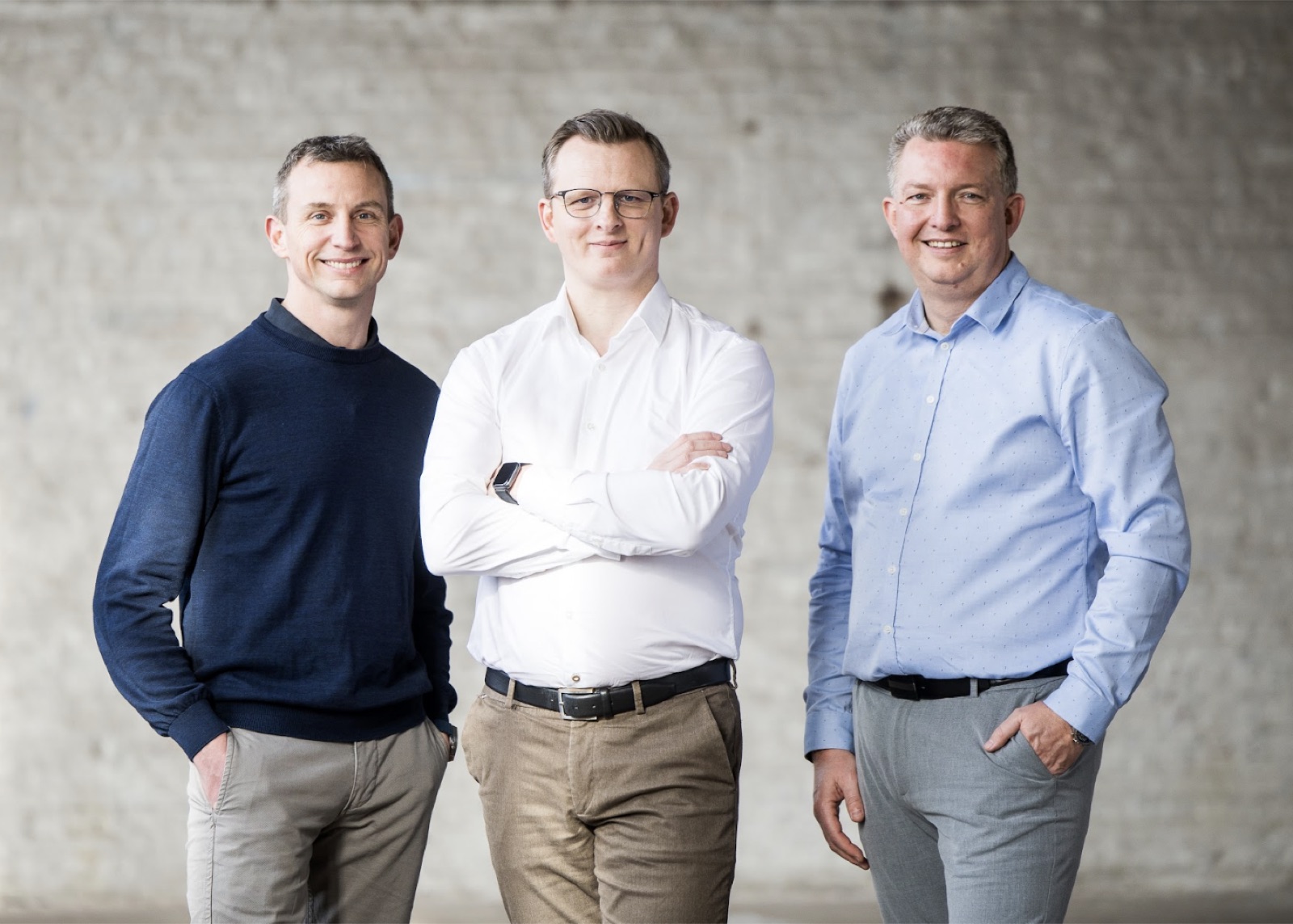
A senior team of engineers and consultants across Europe.
T-Systems, Satellic, European Commission: our longest engagements last because we deliver.
An audit earns its keep only if it ends in a decision. Here is how we run one so it does.
We map your databases, services, and dependency graph to surface where the structural risks sit. Each engagement starts on the real system rather than a diagram: we inspect schemas, integration points, and the coupling between components, then document the constraints that limit how the architecture can evolve. The output is a concrete picture of the estate, with the high-risk dependencies and single points of failure made explicit.
We review database, middleware, and software licensing terms to surface lock-in and recurring cost. On large estates this often reveals removable spend that has accumulated over years of renewals. Past engagements have cut clients' licensing costs by as much as €1M a year by moving them onto an open-source stack. We document each cost line against the contract terms, so you can see which fees are structural and which are avoidable.
We assess how an architecture holds under load and growth: data model, dependencies, integration points, and migration paths. Reviews draw on cloud-native and microservices work delivered for European telecom and tolling operators. We model how the system behaves as volume rises, identify the components that bottleneck first, and outline the migration paths that take pressure off them without a disruptive rebuild.
Every engagement ends with a concrete report scoped to your stack. We document where the costs and structural risks sit, then sequence the work by impact and dependency, so you can decide what to address first and what can wait. When the audit points to execution, the roadmap connects directly to our Legacy Modernization, Cloud Solutions, and Enterprise System Integration services, with the same senior engineers who ran the assessment.
DNA Solutions structures every engagement around concrete, repeatable frameworks: vendor lock-in and licensing audits, architecture scalability reviews, and enterprise software selection. Each one is grounded in production engineering, not theory.
How we assessWe review database, middleware, and software licensing terms to surface lock-in and recurring cost. Past engagements have cut clients' licensing costs by as much as €1M a year by moving them onto an open-source stack.
We assess how an architecture holds under load and growth: data model, dependencies, integration points, and migration paths. Reviews draw on cloud-native and microservices work delivered for European telecom and tolling operators.
We support ERP and CRM selection with a structured technical evaluation: requirements mapping, integration fit with the existing stack, and total cost over the contract.
Infrastructure and billing models differ across telecom, tolling and fleet operators. We audit each on the stack it actually runs, drawing on prior work in the sector.
Audits on OSS/BSS, billing, and charging systems. Engagements at T-Systems and Deutsche Telekom.
Architecture and licensing reviews for European toll and road operators. Engagements at Toll4Europe and Satellic.
Coordination-platform architecture reviews. Concreteasy demonstrates DNA's fleet-coordination architecture, designed for 270 sites and 2,200+ vehicles.
Audits and architecture reviews that turned licensing cost and structural risk into a prioritized path forward.
A private document classification engine that beat Azure AI Document Intelligence on two of three benchmark datasets, 94.7% versus 84.2%.
94.7% vs 84.2% on Azure AI
A scalable microservices architecture that rates high volumes of GPS events and applies multi-country tax rules to generate unified invoices.
Rating pipeline, multi-countrySenior decision-makers on the audits, architecture reviews and platforms DNA Solutions has delivered.
"DNA works with us to deliver digital systems at scale so that we can serve our customers digitally. They are both reactive to requests and proactive with ideas and proposals."
"The real connection between sales and delivery is what sets them apart. Most IT companies have salespeople disconnected from the people actually building the solution. At DNA, that's simply not the case."

"The quality of the people I worked with and the seriousness of the project management stood out. DNA built a backend and app for a highway toll system, and the human side of the company is truly remarkable."

What an audit covers, how it runs, and where it connects to execution.
A DNA Solutions audit covers four layers of your estate. First, the data layer: we map your databases, schemas, and the dependency graph between services, so the high-risk couplings and single points of failure become explicit. Second, the licensing layer: we review database, middleware, and software licensing terms against the contracts to surface vendor lock-in and recurring cost. Third, the architecture layer: we assess how the system holds under load and growth, and where it bottlenecks first. Fourth, the integration layer: how each component talks to the rest of the stack. The output is a prioritized report that documents where the costs and structural risks sit, with a sequenced path forward scoped to your existing systems rather than a generic recommendation.
Yes. Most engagements start on infrastructure built by other teams or vendors, and reading an unfamiliar system is the core of the work. Our senior engineers carry 20+ years of experience across Oracle, SAP, billing engines, and cloud platforms, gained on enterprise environments in European telecom and tolling before and during DNA Solutions. That depth is what lets us audit a system at the level of its real constraints rather than its documentation, which on legacy estates is often incomplete or out of date. We begin by inspecting the running system: schemas, integration points, licensing terms, and the coupling between components. From there we reconstruct how the architecture actually behaves, then document the structural risks and the costs that the current owners may not have visibility on.
Yes. DNA Solutions runs structured technical evaluations for ERP and CRM selection so the decision rests on how each option fits your operations rather than on a vendor pitch. We start by mapping your functional and technical requirements, then score the candidates against them: integration fit with your current stack, data migration effort, customization limits, and the total cost of ownership over the full contract term, including licensing, infrastructure, and the integration work each option implies. Because our engineers have built and integrated enterprise systems, we read vendor claims against what the platform will actually require to run in your environment. The evaluation ends with a comparison you can defend internally and an integration plan for the option you choose, so selection connects directly to the work that follows.
Consulting is the upstream step: assessment, architecture review, licensing analysis, and a prioritized roadmap. The deliverable is a decision base, so you can scope and budget what comes next before committing to a build. A full modernization project is the execution that follows, where we rebuild or migrate the systems the audit flagged. Keeping the two separate has a practical benefit: the audit can recommend doing less rather than more, and many engagements stop at the report because the priority turns out to be a few targeted fixes rather than a large program. When execution is the right call, the roadmap connects directly to our Legacy Modernization, Cloud Solutions, and Enterprise System Integration services, run by the same senior engineers who carried out the assessment, so no context is lost in the handover.