Trusted by Europe's leading organizations





DNA Solutions builds the data infrastructure retail and distribution run on: transactions unified across POS, e-commerce, CRM and loyalty, with AI customer segmentation on top. We work on the data layer that pricing, marketing and stock decisions depend on.
Trusted by Europe's leading organizations
On thin retail margins, pricing, marketing and stock decisions ride on data scattered across POS, e-commerce, CRM and loyalty. DNA Solutions unifies those sources into one data layer, then runs AI segmentation and forecasting on top, with the same data engineering we deliver for European enterprises handling volume and traceability.
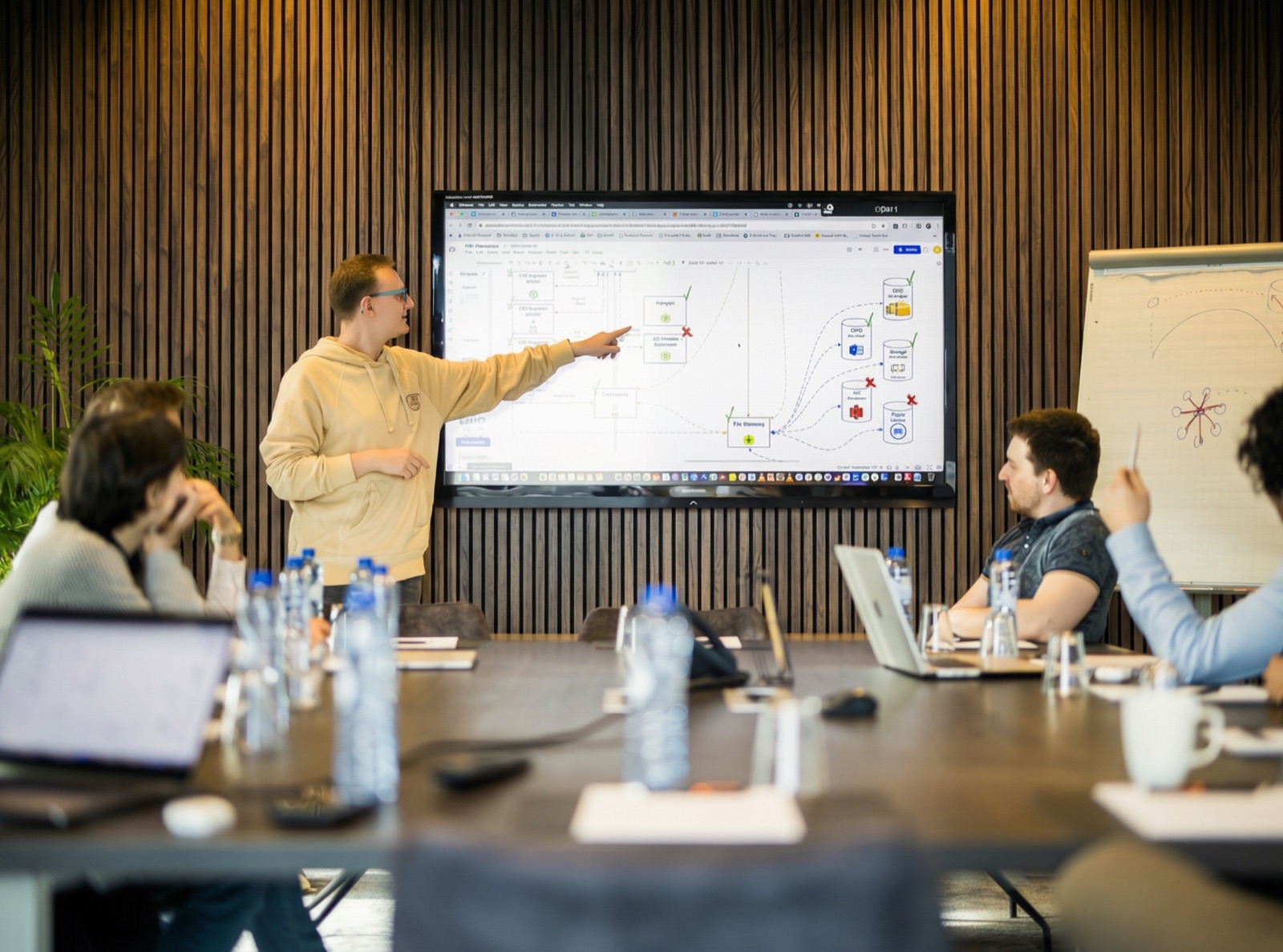
DNA Solutions designs technology that lands on your bottom line. European enterprises trust us with extreme data volumes and critical financial pipelines.
See client resultsDNA Solutions built and maintains a Deloitte-audited billing platform processing €300M in audited transactions every month.
By optimizing software licensing fees for a major European organization, DNA Solutions delivered over €1M in yearly cost savings.
A senior team of engineers and consultants across Europe.
T-Systems, Satellic, European Commission: our longest engagements last because we deliver.
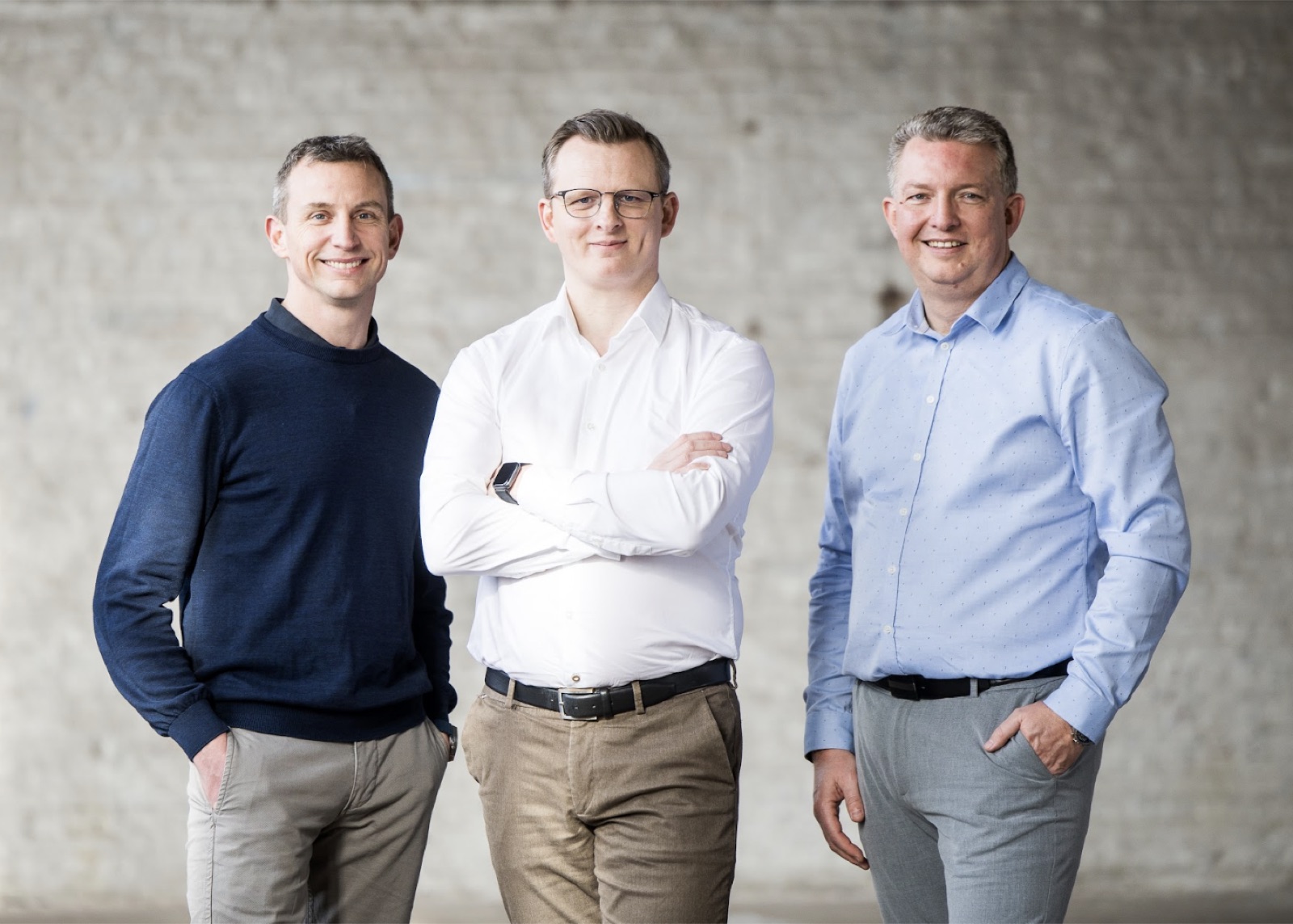
Retail data only earns its keep when point of sale, e-commerce, CRM and loyalty agree on the same numbers. Getting them to agree is the discipline.
Demographic rules group customers by attributes that say little about how they shop. We build segmentation on vector embeddings and semantic similarity, so customers cluster on purchasing behavior drawn from their transaction history. Clusters update as that behavior shifts rather than being recomputed by hand, and every segment traces back to the transactions behind it. That is what lets marketing and analytics work from one shared set of definitions.
POS and loyalty history carry the signal for what sells where, and for which customers are about to leave. We build models that forecast demand by product and store and flag likely churn before it happens. Models are validated against held-out data, and their outputs trace back to the inputs that drove them, so a forecast or a churn flag comes with the reasons behind it.
POS, e-commerce, CRM and loyalty each read on their own but rarely together. We build ETL pipelines that consolidate those sources into one data layer and keep it current, with each figure reconciled against its source. Pricing, marketing and stock decisions then read across every channel instead of one system at a time.
A segment or a forecast is only useful if you can see what produced it. We keep every cluster and every model output traceable to the data behind it, on an open-source stack deployed on your own cloud account. You own the source code, the schemas and the documentation, so the work does not depend on keeping us on retainer.
The work falls into a few recurring retail jobs: unifying transactions across channels, segmenting customers, and forecasting demand by product.
What we buildAI segmentation on vector embeddings and semantic similarity, clustering customers by purchasing behavior. Segments update on their own as behavior shifts, and each one traces back to the transactions behind it.
Models that read POS and loyalty history to forecast demand by product and store, and to flag likely churn early. Validated against held-out data, with outputs that trace back to their inputs.
ETL pipelines that pull POS, e-commerce, CRM and loyalty into one data layer and keep it current, each figure reconciled to its source so every team reads the same numbers.
Retailers usually combine several of these. The ones below come up most, listed with a page each.
Unifying transactions across POS, e-commerce, CRM and loyalty into one data layer, with each figure reconciled to its source so every team reads the same numbers.
Demand forecasting by product and store, plus churn prediction on loyalty and POS history, with models validated against held-out data.
AI customer segmentation on vector embeddings and semantic similarity, with dynamic clusters that update as behavior changes rather than fixed rules recomputed by hand.
Capability patterns the DNA Solutions team applies to retail data and AI work.
Customer base segmented on behavior with vector embeddings, clusters updating as purchasing patterns shift, each segment traceable to its transactions. [à confirmer]
Behavior-based segmentation
Transactions consolidated from POS, e-commerce, CRM and loyalty into one reconciled data layer, read across every channel at once. [à confirmer]
Cross-channel data unificationWhat retail and distribution teams want cleared up before a data or AI project.
Yes. Most retailers already run a point-of-sale system, an e-commerce platform, a CRM and a loyalty program, each readable on its own but hard to read together. We build ETL pipelines that consolidate those sources into one data layer and keep it current, with each figure reconciled against its source, so pricing, marketing and stock decisions read across every channel instead of one system at a time. We usually start with one focused data flow on your own data before any wider commitment.
We build segmentation on vector embeddings and semantic similarity, so customers cluster on purchasing behavior rather than fixed demographic rules. Clusters update as behavior changes instead of being recomputed by hand, and every segment traces back to the transactions behind it. That traceability is what lets marketing and analytics work from the same definitions and explain why a customer sits in a given segment.
Yes. Demand forecasting reads POS and loyalty history to project volume by product and store, which feeds purchasing and stock planning. Churn prediction flags customers likely to leave while there is still time to act on them. We validate both against held-out data so accuracy is measured before anything goes live, and their outputs trace back to the inputs that drove them, so a forecast or a churn flag comes with the reasons behind it. We usually start on one product family or one store group before extending the models across the network.
Yes. You own the result: source code, database schemas, infrastructure-as-code and documentation, deployed on your own cloud account, on an open-source stack with no proprietary licences locked in. Ongoing support stays an option you choose at each stage, so the system keeps running whether or not we stay involved. We usually scope a first engagement around one data flow or one model, so you can see how the team works on your data before committing further. The same ownership terms then carry over to any wider rollout that follows.